




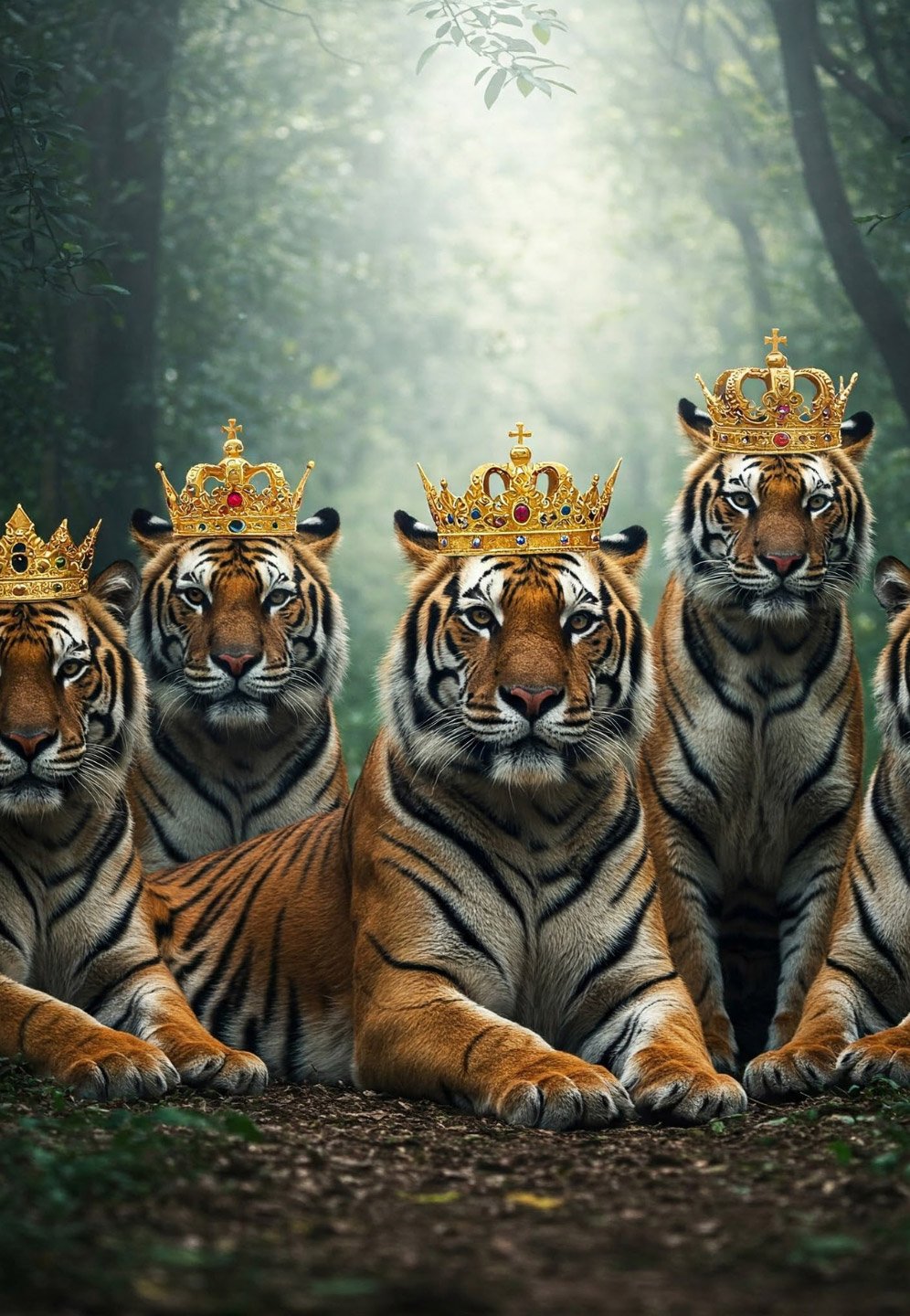
5 Famous Tigers of Ranthambore National Park
Ranthambore National Park is one of India’s most renowned tiger reserves, celebrated for its stunning landscapes and a thriving population of Bengal tigers. Each tiger has its unique personality and story, making them celebrities in their own right among wildlife enthusiasts. Here’s a look at five of the most famous tigers of Ranthambore:
1. Machli (T-16)
Perhaps the most iconic tiger of Ranthambore, **Machli** was born in 1997 and became a symbol of wildlife conservation in India. Known for her distinctive fish-like markings on her face, Machli was not only a remarkable hunter but also a loving mother to several cubs. Her ability to survive numerous challenges, including fights with other tigers and her remarkable hunting skills, earned her the title of “Queen of Ranthambore.” She became a favorite among photographers and tourists, drawing countless visitors to the park. Machli passed away in 2016, but her legacy continues to inspire wildlife enthusiasts around the world.
2. Sultan (T-25)
**Sultan**, also known as the “Tiger of the Fort,” is renowned for his striking appearance and powerful demeanor. With his impressive physique and beautiful markings, Sultan captured the hearts of many visitors. He was known to dominate the area around the Ranthambore Fort and frequently displayed his territorial prowess. Sultan was a master of his territory, often seen patrolling his domain and asserting dominance over rivals. His story, marked by both victories and challenges, has become an integral part of Ranthambore’s rich tapestry of tiger tales.
3. Tigress Noor (T-39)
**Noor**, also referred to as T-39, is one of the rising stars of Ranthambore. Born in 2013, she has gained popularity for her striking beauty and captivating behavior. Known for her playful nature, Noor often engages in antics that delight visitors and photographers alike. Her nurturing instincts have also been showcased as she raises her cubs, making her a beloved figure among wildlife watchers. Noor’s presence symbolizes the new generation of tigers in Ranthambore, bringing hope for the future of this iconic species.
4. Tigress T-7 (Raja)
**T-7**, affectionately known as **Raja**, is another notable tiger of Ranthambore. His distinctively regal demeanor and strong presence have earned him admiration among wildlife enthusiasts. Raja is known for his striking physical features and charismatic personality, often seen gracefully navigating the park. His hunting skills and ability to adapt to changing circumstances make him a fascinating subject for wildlife photography. Raja’s story is one of resilience and strength, embodying the wild spirit of Ranthambore.
5. Tigress T-19 (Sultana)
**T-19**, known as **Sultana**, is famous for her beauty and fierce protective instincts. As a mother, she has successfully raised several cubs, showcasing her maternal skills and dedication to their survival. Sultana is often seen in the company of her young ones, making her a favorite among visitors who are eager to witness the bond between mother and cubs. Her story highlights the challenges faced by tigers in the wild, from competition with other predators to the need for constant vigilance in protecting her offspring.
Conclusion
Ranthambore National Park is not just a sanctuary for tigers but a living gallery of their remarkable stories. Each of these famous tigers has left an indelible mark on the park’s history and continues to inspire wildlife enthusiasts and conservationists alike. As you plan your visit to Ranthambore, keep an eye out for these magnificent big cats and remember the tales that make them legends in their own right. The experience of witnessing these incredible creatures in their natural habitat is a testament to the beauty and fragility of wildlife, underscoring the importance of conservation efforts in preserving their legacy for generations to come.